| Recombinant Humanized Type XVII Collagen Recombinant, Molecular Biology Grade Source: From yeast cells with cloned gene encoding genetically engineered Humanized XVII Collagen | |
| Catalog Number: GPE015001 | |
| CAS No.: 9064-67-9 | E.C: 618-608-5 |
| Properties | |
| Molecular mass | 10.0 kDa |
| pI | 7.54 |
| pH range | 4-8 |
| Storage Temperature | -20℃ |
| Form | Lyophilized powder |
| Description: Recombinant Humanized Type XVII Collagen (Col17) is a bioengineered form of the Type XVII collagen, a transmembrane protein predominantly found in the basement membrane zone of epithelial tissues, such as skin and mucous membranes. It plays a key role in maintaining the structural integrity of these tissues, providing anchoring between the epidermis (outer skin layer) and the underlying dermis (inner skin layer). Gproan recombinant humanized Type XVII Collagen, derived from yeast sources. It exhibits excellent water solubility and stability, along with outstanding hydrophilicity and moisturizing properties. By leveraging advanced protein engineering technology and a 28,000-liter yeast fermentation platform, Gproan can offer this product at a competitive price, making it ideal for the development and production of cosmetics and medical products. Produced using a Pichia pastoris fermentation process, the recombinant COL17 ensures lower endotoxin levels, making it a safer and more reliable option for various applications. Applications Anti-Aging and Skin Repair Basement Membrane Strengthening: COL17 plays a crucial role in maintaining the structural integrity of the skin by securing the connection between the epidermis (outer layer) and dermis (inner layer). As we age, the degradation of COL17 weakens this connection, contributing to signs of aging such as sagging skin and wrinkles. Recombinant COL17 can help restore this vital connection, thereby supporting skin firmness and reducing the appearance of wrinkles. Skin Regeneration: COL17 promotes epidermal turnover and skin regeneration, making it an ideal ingredient in anti-aging skincare formulations. By supporting the renewal of skin cells, it helps maintain youthful and healthy-looking skin. Wound Healing Its role in basement membrane integrity also makes it a potential candidate for wound healing treatments. By promoting skin cohesion and repair, recombinant COL17 may accelerate the recovery process in damaged skin. Hair Loss Treatment Prevention of Hair Follicle Miniaturization: Evidence suggests that the degradation of COL17 can lead to hair follicle miniaturization, a key factor in hair loss. By maintaining the structural support around hair follicles, COL17 helps prevent this process, making it a promising candidate for treating conditions like androgenic alopecia (pattern hair loss). Hair Regeneration: COL17’s potential to support healthy hair follicles could aid in stimulating new hair growth and restoring hair density, making it valuable in anti-hair loss products and treatments. Cosmetic Formulations Moisturization: With its excellent hydrophilicity and moisturizing properties, recombinant COL17 can improve skin hydration, making it an ideal component in moisturizers and hydrating serums. By attracting and retaining moisture, it helps maintain a supple, well-hydrated complexion. Anti-Wrinkle Products: COL17’s ability to strengthen the basement membrane and support skin structure makes it a key ingredient in anti-wrinkle and firming creams. Skin Elasticity: It can also improve skin elasticity, further contributing to a youthful appearance and reducing the appearance of fine lines. Medical Devices and Dermatological Treatments Dermal Fillers and Skin Grafts: COL17’s structural benefits may enhance the effectiveness of dermal fillers and bioengineered skin grafts used in reconstructive surgery or burn treatment. It can contribute to better adhesion and integration of the graft with the surrounding tissue, ensuring more stable and durable results. Tissue Engineering: Due to its ability to promote cell adhesion and tissue repair, recombinant COL17 has potential applications in tissue engineering for skin regeneration and repair. Scar Reduction: The protein can be used in products aimed at reducing scar formation by promoting healthy tissue regeneration and improving skin structure. Biomedical Research Autoimmune Skin Disorders: COL17 is implicated in certain autoimmune skin disorders, such as bullous pemphigoid, where the immune system mistakenly attacks COL17, leading to blistering and skin damage. Recombinant COL17 could be used in research to better understand these conditions and develop targeted therapies. Gene Therapy: As research advances in gene therapy, recombinant COL17 might be a target for developing treatments aimed at genetic conditions involving collagen deficiency or dysfunction, particularly in skin diseases. Personalized Skincare and Therapeutics Custom Formulations: Given its efficacy in skin regeneration and hair loss prevention, COL17 can be incorporated into personalized skincare and therapeutic treatments tailored to individual needs, offering high-performance solutions for a range of cosmetic and dermatological concerns. Advantages High Purity: The recombinant form ensures a high level of purity and quality, making it suitable for sensitive applications in cosmetics and medical devices. Cost-Effective Production: Using advanced yeast-based fermentation technology, the production cost is reduced, allowing the product to be competitively priced without compromising on quality. Safety and Stability: Recombinant COL17 offers superior stability and lower endotoxin levels, ensuring it is safe for use in both consumer and clinical settings. | |
| Purity and Quality | |
| Purity: ≥95% SDS-PAGE Protein content: ≥90% Bioburdens: ≤5cfu/g Escherichia coli – Not Detected; Staphylococcus aureus – Not Detected; Pseudomonas aeruginosa – Not Detected; Endotoxin: ≤0.5 EU/mg Total Heavy Metals (Pb) ≤ 10ppm; Arsenic (As) ≤ 2ppm Mercury (Hg) ≤ 2ppm, Lead (Pb) ≤ 2ppm Chromium (Cr) ≤ 2ppm Cadmium (Cd) ≤ 2ppm; | |
| Preparation Notes | |
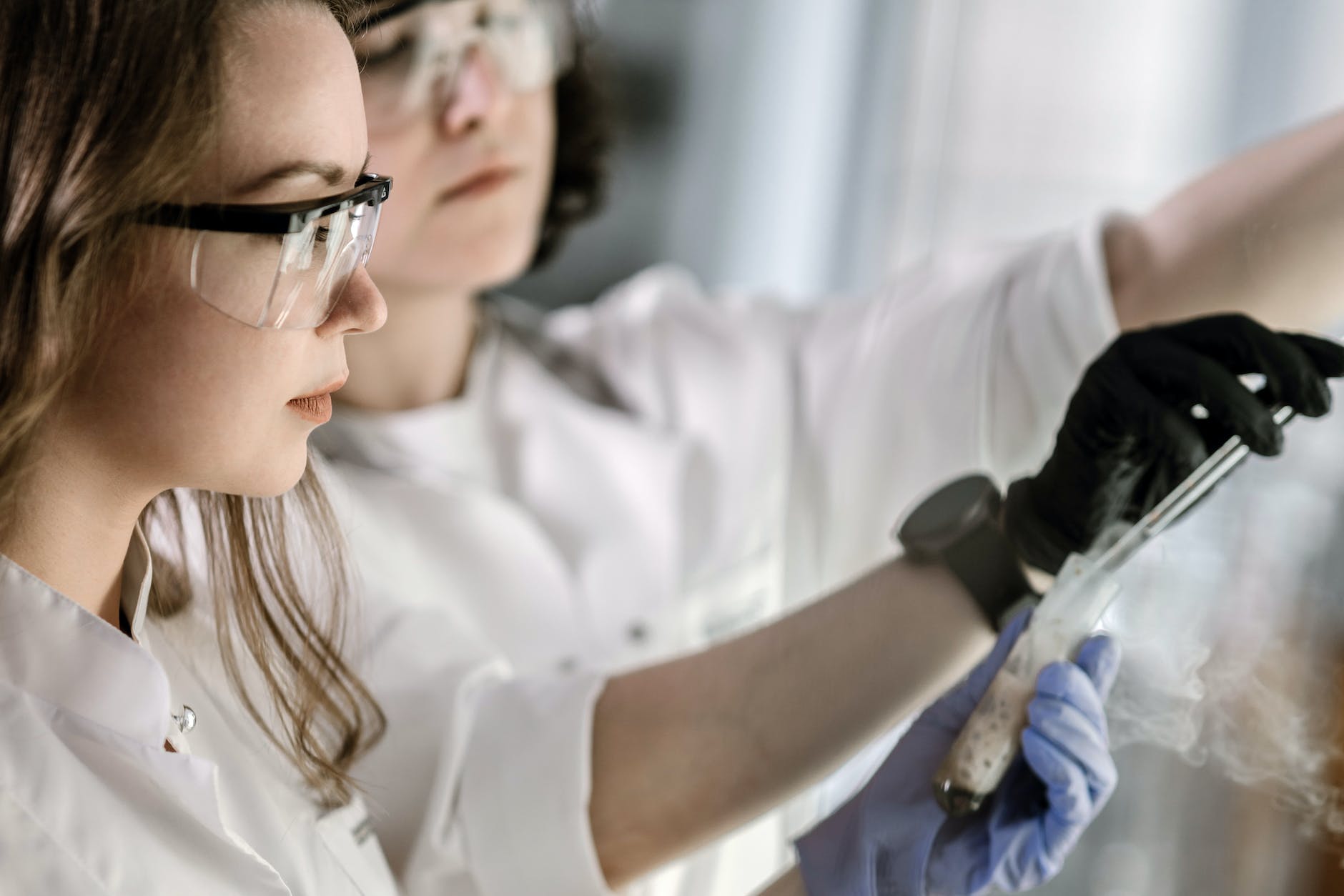
| For your safety and health, please wear laboratory attire and use protective gloves and goggles during operation. This product is aseptic lyophilized powder and is prone to moisture absorption. Please store sealed and dry. | |
| Storage | -20℃ in dry condition |
| Stability/Shelf life: 1 year | |
| Precautions and Disclaimer | |
| Safety Information Collagen is generally considered safe for use in various applications. However, individuals with allergies to collagen or its sources, such as cattle, may experience allergic reactions. It is important to follow proper handling and storage procedures to minimize the risk of contamination or degradation. This product is for R&D use only, not for drug, household, or other uses. | |